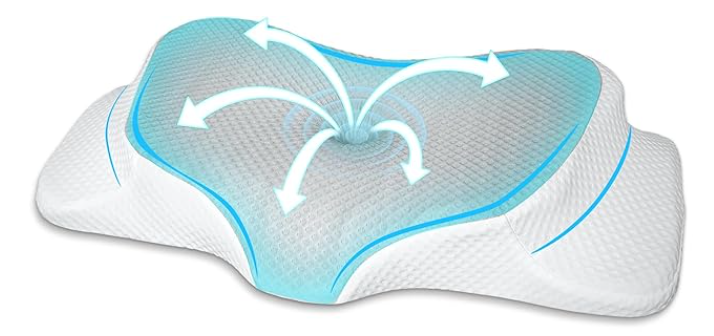

Are you struggling to find a pillow that gives you not only the comfort you crave but also real neck and back support? The search for better sleep has fueled a booming market for ergonomic and memory foam pillows, but with so many options—and so much hype—it’s not always easy to know what works. In this guide, we’ll break down the latest pillow innovations, who really gets the most benefit, and—most importantly—what real buyers think after trying these pillows.
What Are Ergonomic and Memory Foam Pillows?
An ergonomic or memory foam pillow goes beyond basic fluff. These pillows are carefully shaped and engineered, often with special “contours” or supportive cores, to help keep your neck aligned with your spine as you sleep. Memory foam, famous for its pressure-relieving properties, molds gently to your head and neck to reduce tension and help alleviate pain. Many models now offer cooling gels, hypoallergenic covers, or even “smart” features like sleep tracking.
Why the popularity? In our screen-heavy, stress-filled era, more people are facing neck, shoulder, and upper-back pain—and they’re looking for bedtime solutions that help, not hurt.
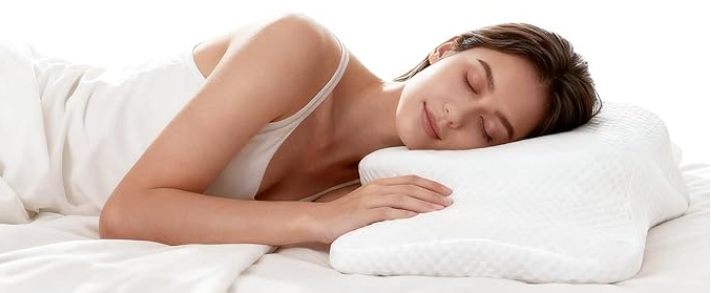
Who’s Buying Ergonomic Pillows?
According to major industry reports, the biggest buyers are adults aged 25–54. These include:
- Urban professionals who spend hours on computers
- Parents seeking better rest
- Seniors addressing chronic pain Urban areas are driving the market, especially in North America, Europe, and rapidly growing Asia-Pacific cities. Online shopping platforms are especially influential, with 35–45% of memory foam/ergonomic pillow purchases now happening via e-commerce.
Top Features & Innovations in Today’s Pillows
The days of one-size-fits-all are over. Here’s what sets today’s pillows apart:
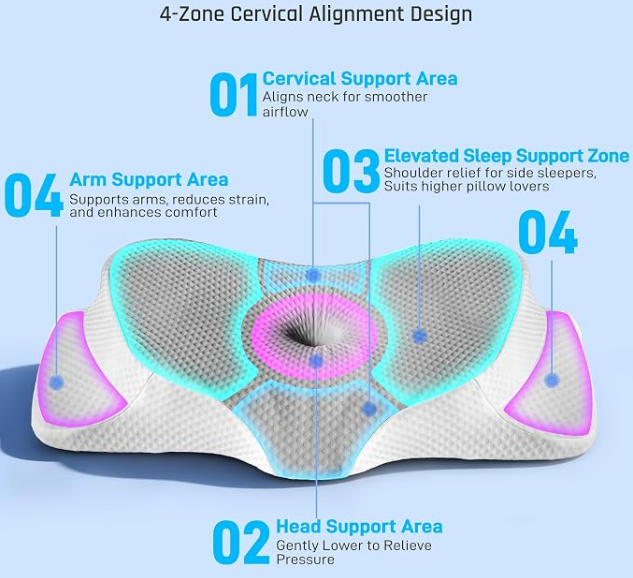
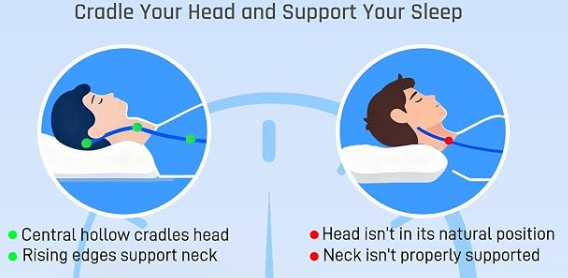
- Ergonomic contouring: Supports your natural head/neck curve and keeps your spine aligned. Great for side and back sleepers.
- Memory foam core: Molds to your body, relieves pressure points, and helps with muscle tension.
- Cooling technology: Gel infusions or breathable open-cell foams help dissipate heat.
- Hypoallergenic/anti-microbial covers: Help reduce allergies and improve hygiene.
- Smart pillow tech: Some new models connect with apps to monitor your sleep quality.
- Eco-friendly materials: Growing numbers of buyers demand sustainable fillings and covers.
Real Buyer Motivations: Why Are People Switching?
Drawing on industry and user data, people are most often seeking:
- Relief from neck and shoulder pain
- Improved overall sleep quality
- Allergen/irritant-free sleep
- Cooling options for hot sleepers
- Premium or eco-friendly feel
Household use dominates the market, but hotels, hospitals, and wellness centers are quickly adopting ergonomic options too.
What Real Customers Think: Insights from Trustpilot & Reddit
No product is perfect, and in the world of pillows, what works for one sleeper may not work for another. Here’s what actual buyers say about pillows like Derila and its top competitors:
Positives:
- Pain Relief: Many users—especially those who haven’t used ergonomic pillows before—find real, sometimes dramatic improvement in neck and shoulder pain.
- Sleep Quality: Some report deeper, more refreshing sleep after a transition period.
- Lightweight & Portable: Many modern ergonomic pillows are easy to take on the go.
Negatives:
- Size Issues: A common complaint is that new pillows are smaller/flatter than expected, often compared to traditional plush pillows.
- Support Consistency: While some find them just right, others say the foam is too soft or too firm for their liking.
- Customer Service Hiccups: Especially with rapidly growing direct-to-consumer brands, shipping and returns can be slower or more confusing than buyers expected.
- Hype Fatigue: Aggressive marketing, auto-added extras at checkout, and unclear return terms have led to some trust issues.
Peer Advice from Forums:
- “If you’ve never tried an ergonomic pillow, you might be surprised—in a good way. But if you like thick, fluffy pillows, these might feel small.”
- “Try to buy from a retailer with a clear return policy, and give yourself at least a week or two to adapt.”
How to Find the Right Ergonomic Pillow for You
- Consider Your Sleep Position:
- Side sleepers often benefit from a higher contour under the neck.
- Back sleepers might prefer a lower contour.
- Evaluate Your Physique:
- Broader shoulders may require a higher or larger pillow for true alignment.
- Smaller bodies may prefer low-profile options.
- Think About Firmness:
- Memory foam ranges from plush to very firm—preference is personal!
- Special Features:
- Do you need cooling, hypoallergenic material, or smart features?
- Return Policy & Trial Period:
- Since adjustment takes a few nights, a fair trial and return policy is essential.
- Check for auto-added products and read fine print on returns before buying.
Industry Leaders and What Makes Them Stand Out
Brands like Tempur Sealy, Purple, Casper, Serta, and even the fast-rising Derila each offer unique takes, but the best-in-class focus on:
- Clear, supportive design for neck/spinal alignment
- Honest, evidence-backed marketing
- Certifications for hypoallergenic, eco-friendly, or medical-grade materials
- Transparent return policies and responsive customer service
Buyer Tips & Red Flags
- Steer clear of brands that don’t clearly display return/exchange terms at checkout.
- Beware of too-good-to-be-true lifetime guarantees—check if there are lots of negative service reviews.
- Look up pillow dimensions and firmness ratings—and check what real customers say about fit!
- Don’t expect a new pillow alone to completely fix severe or chronic pain—think of it as one helpful tool among many.
Frequently Asked Questions
Q: How long does it take to adjust to a new ergonomic pillow?
A: Most people need at least a few nights, sometimes up to two weeks.
Q: Can one pillow fix chronic pain?
A: Not always—but many people see improvements, especially when combined with better posture and sleep hygiene.
Q: Are expensive pillows really better?
A: Not always; fit and support are more important than price. Focus on your individual needs over brand hype.
Q: Do smart pillows make a difference?
A: Some users love tracking features, but sleep quality still comes down to comfort and support.
Conclusion
The search for the perfect pillow is highly personal—and the market has never offered so many choices. By understanding both the latest market trends and the real-life experiences of buyers, you’re best equipped to choose a pillow that’s right for you. Try before you commit wherever possible, focus on your unique sleep needs, and approach flashy marketing claims with a little healthy skepticism. Sweet dreams—and pain-free mornings—may be just one good pillow away.
Have you tried a memory foam or ergonomic pillow? Share your experience or questions in the comments—your insights could help others get the best night’s sleep!